200 airport cleaning robots, and what they really cover
Flagship runs 200+ floor robots at 25 US airports. Its published totals work out to about 5,000 sq ft per operating hour.
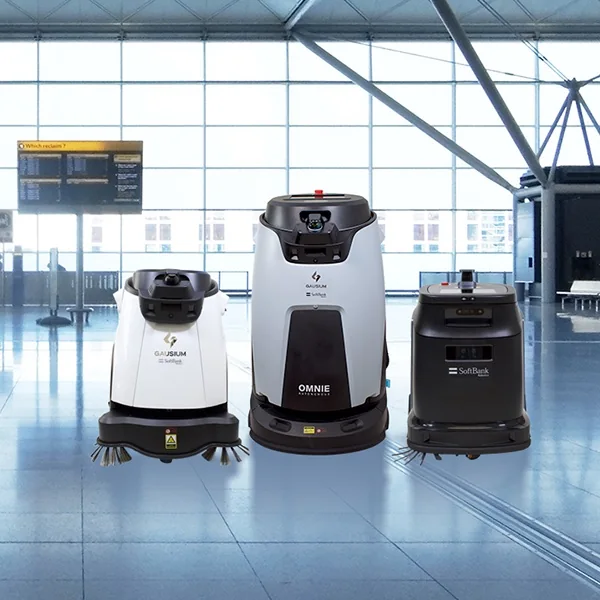
Flagship Aviation Services, an airport janitorial contractor, now runs more than 200 autonomous floor robots across 25 airport locations. That is double the 100 robots at 15 locations it started with in 2024. Flagship and its supplier, SoftBank Robotics America, announced the expansion on August 27, and the facilities trade press picked it back up on October 1.
It is worth a careful read for one reason. Most robot announcements give you a fleet size and a quote. This one came with a data table, and a data table from a contractor's working fleet is rare.
The numbers
The case study publishes fleet totals pulled from SoftBank's own fleet software for January 1, 2024 through June 30, 2026:
- 200 robots at 25 locations, up from 100 at 15
- 5 models in use, covering sweeping, scrubbing, mopping and carpet vacuuming
- 100,000 operating hours, up from 10,000 at the 2024 mark
- Nearly 500 million sq ft cleaned in total
- About 1 million sq ft cleaned per day on average, up from 555,000
Flagship's own write-up gives the same figures, and its chief operating officer, Todd Jacobs, is plain about what the robots are for:
Autonomous cleaning is a tool that helps our teams work more efficiently, so they can spend more time delivering exceptional passenger experiences.
Flagship says the freed-up hours go to restrooms, gates and other high-touch areas.
The arithmetic nobody printed
Neither company publishes a per-robot or per-hour figure, so this part is our own division on their totals.
500 million sq ft over 100,000 operating hours is about 5,000 sq ft per operating hour, averaged across the whole fleet.
1 million sq ft a day over 200 robots is about 5,000 sq ft per robot per day.
Put those 2 together and the average machine in this fleet is doing roughly 1 hour of cleaning a day. Some run far more, and some are small carpet vacuums that pull the average down. We cannot see the split by model or by airport, and the fleet was growing through the whole period, so treat these as rough averages and nothing finer.
That is not a knock on the program. A contractor does not double a fleet that is not earning its keep, and the per-hour average climbed from about 3,500 sq ft at the 2024 mark to about 5,000 now, which suggests the operation got better at running the machines. It is simply what real fleets look like. A terminal has passengers, queues, kiosks and carts in the way, and a robot spends part of its day charging, waiting for a clear floor or sitting until its route comes up.
What this means for a building in Utah
Size the job on real coverage, not on the spec sheet. Every robot scrubber has a rated figure, ours included. The CC1 Pro is rated up to 10,764 sq ft an hour and the BG1 at 21,528. Those are the machine on an open floor with nothing in the way. A mixed fleet in a busy public building averaging 5,000 is a useful reality check on any rated number from any maker. If a quote assumes the brochure figure for 8 hours a night, ask to see it done on your floor.
Notice the mix. Flagship did not buy 200 of one machine. It runs 5 models because a terminal has carpet at the gates, hard floor on the concourse and tight spots around seating. A school district or a dealership group has the same problem at a smaller scale: gym, hallway, cafeteria, showroom, service drive. Expect to match the machine to the floor.
Notice the count per site too. 200 robots at 25 locations is 8 per airport on average. Nobody handed a terminal to 1 robot. For a single Utah high school or office building, that scales down to 1 or 2 machines on the long corridors, with the crew still doing everything else.
Ask for the data. The reason this table exists is that the fleet software logs hours and square feet. Whatever you buy, from whoever you buy it, make sure you get that report every week. It is how you find out in month 2 whether the machine is running or parked in a closet.
On price, ours are published: a CC1 Pro is $24,000 cash with RoboCare service at $240 a month, and a BG1 for bigger open floors is $36,999.
What to watch
Flagship says it is exploring smart restrooms and facility security next, and that more technology evaluations are planned. Watch whether its next update breaks the numbers out per site or per machine, because that is the figure a buyer can actually plan around. And watch whether the 25 airports get named. The release does not list them.
Robots in this story, sold and serviced from Provo: CC1 Pro floor scrubber · BG1 scrubber-dryer
Sources
Want to see one of these working?
We are a Utah robotics implementation company. Our own technicians install and service every machine we sell.
Book a walkthroughMore robotics news
Sodexo signs a robot delivery deal covering 425 campuses
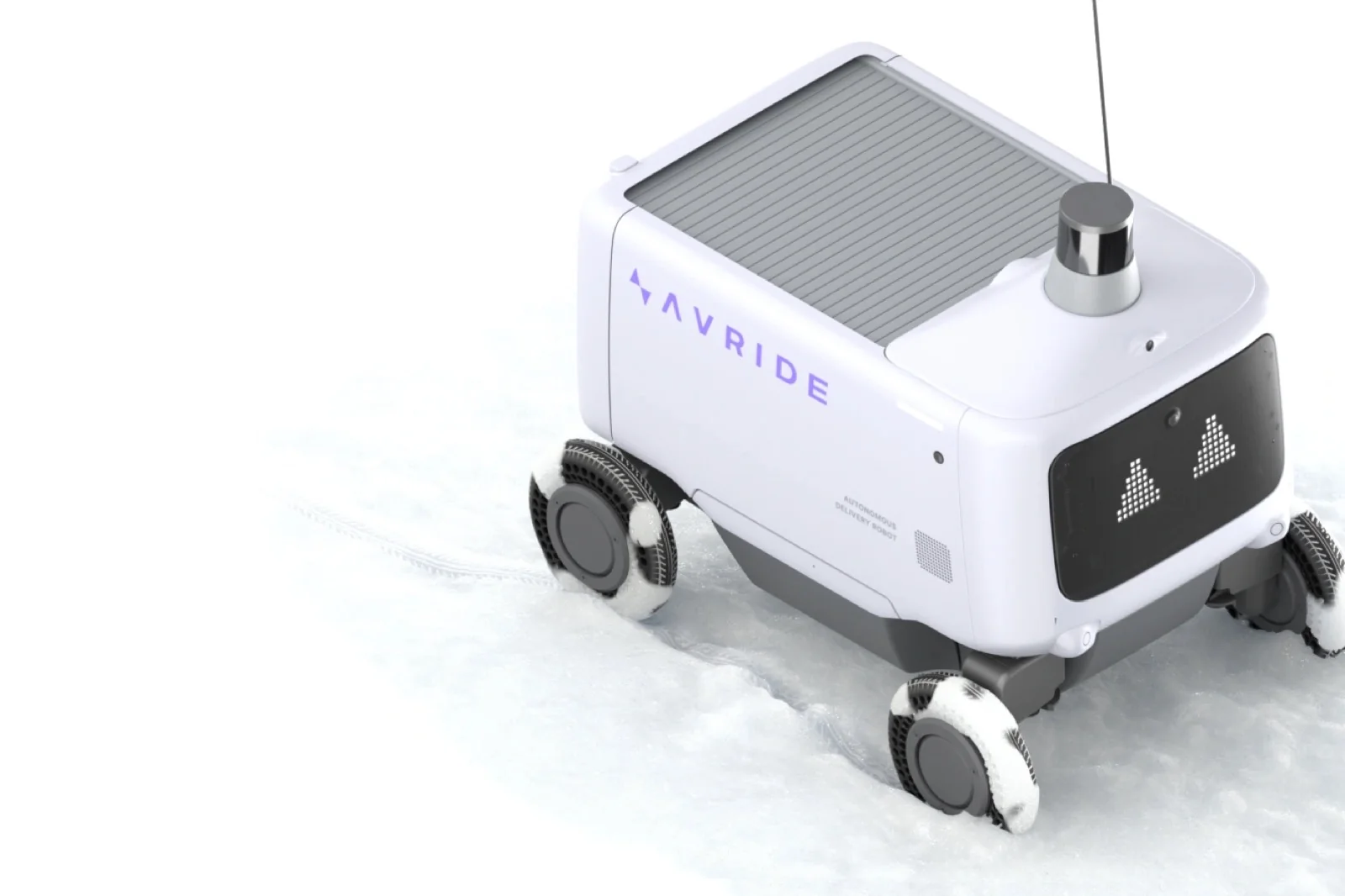
Avride and Sodexo Campus agreed on October 6 to bring sidewalk delivery robots to Sodexo's 425 US colleges, 4 months after Starship said it was leaving.
40 cleaning robot makers on one show floor in Las Vegas
ISSA Show North America opens a robotics area with 40+ autonomous floor cleaning companies and 2 live demo zones at Mandalay Bay, November 17 to 19.
FCC clears its first floor cleaning robot, built in California
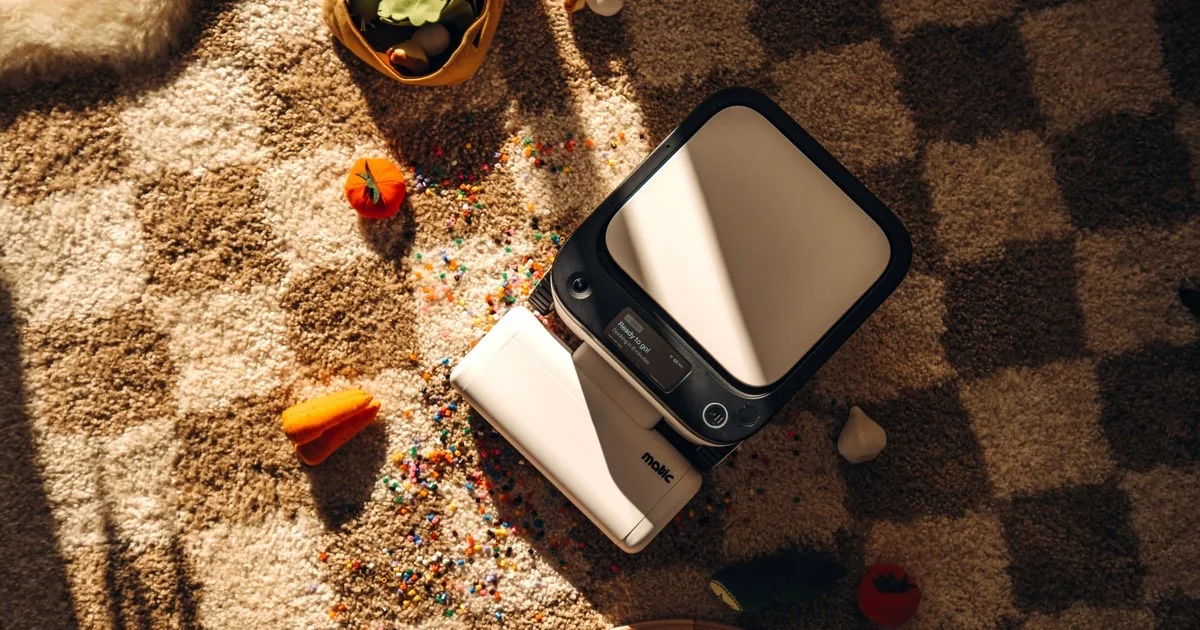
Matic's home vacuum and mop became the 3rd robot exempted from the FCC Covered List on October 2. It is assembled in the US and still needed the approval.