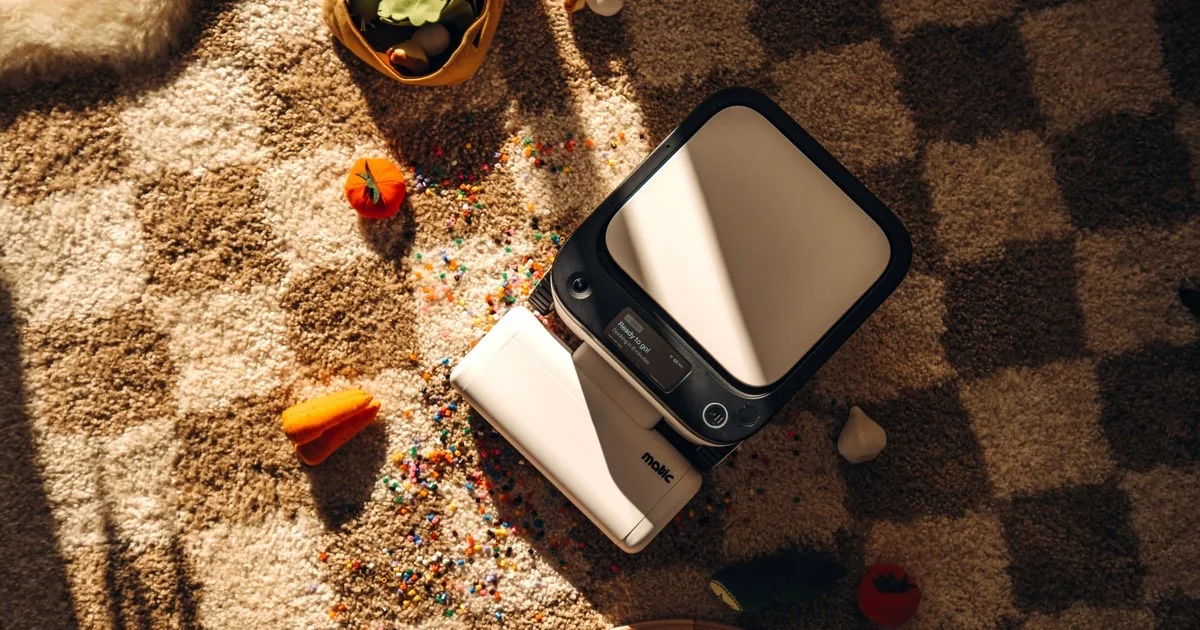
FCC clears its first floor cleaning robot, built in California
Matic's home vacuum and mop became the 3rd robot exempted from the FCC Covered List on October 2. It is assembled in the US and still needed the approval.
On October 2 the FCC exempted a floor cleaning robot from its Covered List for the first time. The machine is the Matic Robotic Floor Cleaner, Model 4MA0001, and its charging dock, Model 4DK0008. Matic is a home vacuum and mop built by a California company, and it is only the 3rd robot maker to get through since the rule took effect on July 28.
The detail that matters for anyone buying a commercial machine is where it is built. Matic says every one of its robots is designed and assembled in California. It still had to go through the same review as a robot shipped in from overseas.
The count after 66 days
We covered how the rule works when the 2nd approval landed in September. The short version: a new model of foreign-produced mobile robot cannot get an FCC equipment authorization, and so cannot be sold here, unless the Department of War grants its maker a Conditional Approval.
The approvals appendix in the October 2 notice now lists 3 robot makers:
- Husqvarna, 4 robot mower platforms, September 9
- ANSCER Robotics, 3 warehouse robot platforms, September 18
- Matic Robots, 1 floor cleaner and its dock, October 2
That is 8 robot models in the 66 days since July 28.
What is not on the list is a commercial floor scrubber, a commercial vacuum, or a delivery robot of the kind that runs in a restaurant or a hotel. The first floor cleaner the government cleared is one that cleans a living room.
Assembled here is not the same as exempt
The rule does not ask where the company is headquartered. The FCC's July 28 notice says the equipment is "identified by place of production, not by entity." The National Security Determination attached to it defines foreign-produced as any article that would not qualify as a "domestic end product" under the federal Buy American regulation, 48 CFR 25.101(a).
That is a test of content, not of final assembly. Tennant, the Minnesota floor machine maker, spells it out in its customer FAQ on the rule: without a Conditional Approval, a robot has to be manufactured in the US and the cost of its domestic components has to exceed 65% of total component cost through December 31, 2028, rising to 75% on January 1, 2029.
Neither the FCC nor Matic says which part of that test the robot did not meet. Matic's release says it sources critical components from US companies "wherever possible," names NVIDIA for its core computer, and describes the approval as a step toward "bringing more of our supply chain back to America." Read together, that points at the parts inside the robot and not the building it is put together in.
The approval has strings, the same kind the first 2 carried. The FCC says the exemption depends on Matic's continuing "compliance with the onshoring plan" in its application and on "updated vetting" of its products. There is no end date. It stays in force as long as the company keeps to the plan, and it can be pulled if it does not.
What this means for a building in Utah
If you own a cleaning robot today, nothing changes. Models that held an FCC authorization before July 28 can still be sold and used.
The useful lesson from Matic is that "American company" and "assembled in the USA" are not the answer to the question you need to ask. The robots we sell are foreign-produced under this definition, so this applies to us as much as to anyone. Tennant's FAQ gives the right instruction, and it is a fair one for every supplier including Robo Pro:
Customers should ask all robotics suppliers to provide equivalent documentation for the exact model being proposed.
For a facilities manager in Provo, Salt Lake or Ogden that means two things on a quote. Get the FCC ID for the exact model and confirm it was authorized before July 28. And if someone is pitching you a model that launched after that date, ask whether its maker is on the approvals list, because as of October 2 only 3 are and none of the approved models is a commercial scrubber.
There is a second question worth borrowing from this approval. The determination's stated worry is data: robots "collect data that could be leveraged by malign actors to surveil Americans." Matic's answer is that its 5 cameras feed a computer on the robot, that maps, video and audio never leave the house, and that the robot does not need an internet connection. We do not know how much weight the reviewers gave that. It is still a reasonable thing to ask about any robot that maps your building: where the map is stored, what goes to the cloud, and whether the machine will run a route with the network unplugged.
What to watch
The FCC republishes the list each time an approval is granted, and the pace so far is about 1 robot maker every 3 weeks. The entry that would change the commercial market is the first maker of scrubbers or delivery robots, along with whatever US manufacturing plan it had to sign to get there. Until one shows up, the commercial models you can buy are the ones that were already authorized this summer.
Robots in this story, sold and serviced from Provo: CC1 Pro floor scrubber · MT1 sweeper
Sources
Want to see one of these working?
We are a Utah robotics implementation company. Our own technicians install and service every machine we sell.
Book a walkthroughMore robotics news
Sodexo signs a robot delivery deal covering 425 campuses
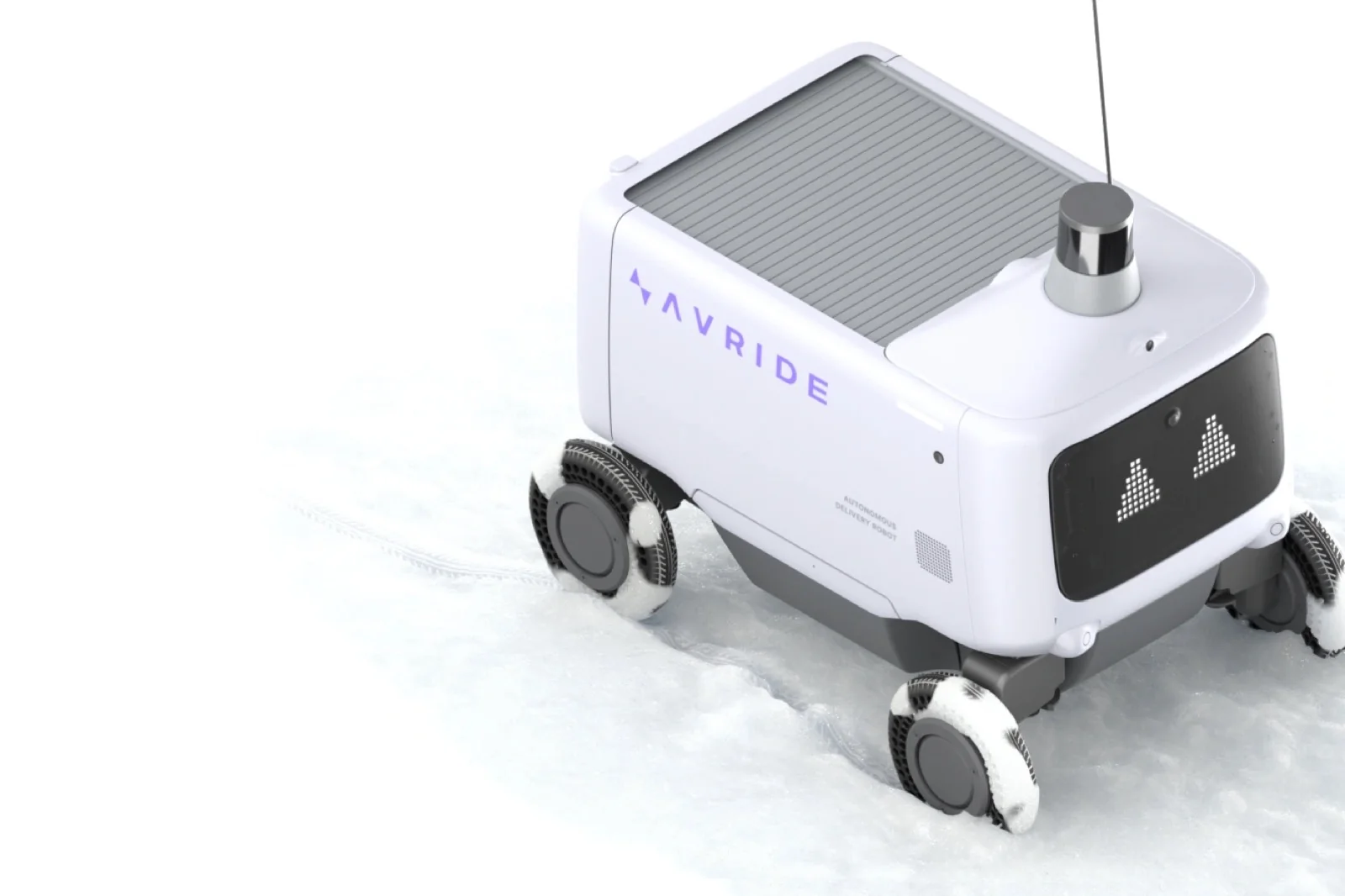
Avride and Sodexo Campus agreed on October 6 to bring sidewalk delivery robots to Sodexo's 425 US colleges, 4 months after Starship said it was leaving.
40 cleaning robot makers on one show floor in Las Vegas
ISSA Show North America opens a robotics area with 40+ autonomous floor cleaning companies and 2 live demo zones at Mandalay Bay, November 17 to 19.
200 airport cleaning robots, and what they really cover
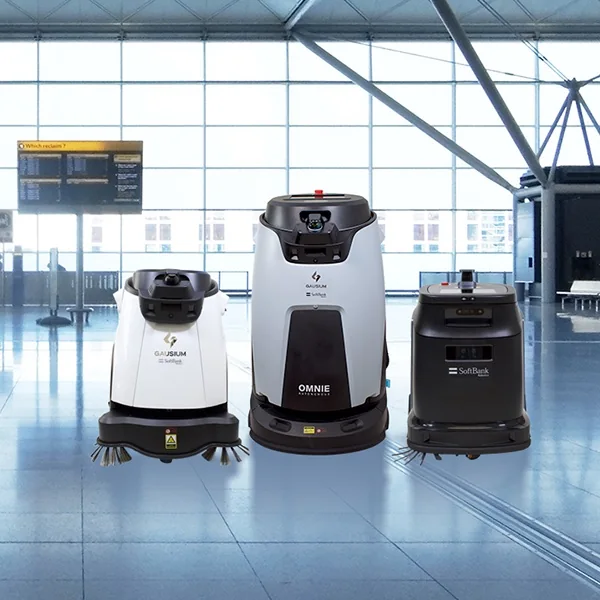
Flagship runs 200+ floor robots at 25 US airports. Its published totals work out to about 5,000 sq ft per operating hour.