What the FCC robot rule means for cleaning robot buyers
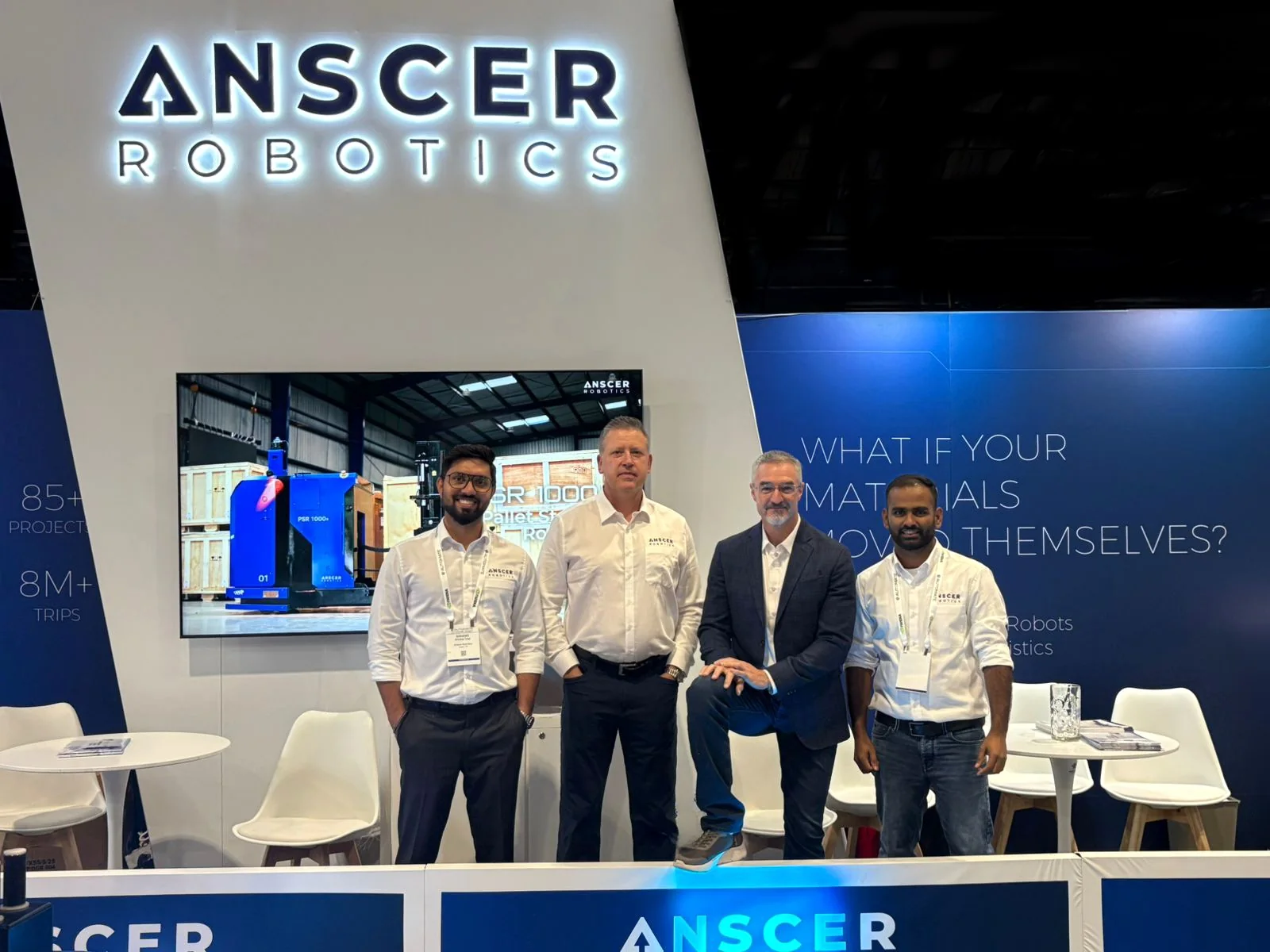
The FCC cleared ANSCER's warehouse robots on September 18, only the 2nd exemption since foreign-made mobile robots went on the Covered List.
On September 18 the FCC cleared 3 warehouse robots from ANSCER Robotics, the AR250, AR650 and AR1250, for sale in the US. It is only the 2nd robot exemption since July 28, when foreign-produced mobile robots were added to the FCC's Covered List. The 1st went to 4 Husqvarna robot mowers on September 9.
If you own a building and have been reading headlines about a "robot ban," this is the part that decides what you can actually buy next year.
What the rule covers
On July 28 the FCC added "foreign-produced advanced robotic devices" to the Covered List, following a national security determination from a White House interagency group. Anything on that list cannot get a new FCC equipment authorization, and most electronics need one before they can be imported, marketed or sold here.
The definition is broad. The National Security Determination covers any mobile machine, including autonomous mobile robots, that moves and avoids obstacles on the ground, works at a distance from its operator, weighs over 4.4 lb with its dock, and carries a sensor, a network connection of at least 200 kbps, and software that runs its navigation. Read that list and picture a commercial floor scrubber. It fits every line. So does a food runner, a hotel delivery robot and a tugger in a warehouse.
The exclusions are narrow: connected cars, rail vehicles, drones, underwater vehicles, FDA medical devices and fixed robot arms. "Foreign-produced" means anything that would not qualify as a domestic end product under Buy American rules.
What it does not do
The FCC's own fact sheet says the action "does not affect any previously purchased devices," and that it does not stop the import, sale or use of existing models the FCC already authorized. The restriction applies to new models. It also does not touch purchases by the federal government.
So a robot already running in your lobby keeps running. A model that held its FCC authorization before July 28 can still be sold. What stops is the pipeline of new foreign-built models, unless the maker gets what the rule calls a Conditional Approval from the Department of War.
Who has one so far
As of the September 18 list, 2 robot makers. By comparison the same appendix lists 18 drone makers and 21 router makers with approvals of their own.
Husqvarna got approval for the Automower 305V iQ, 310V iQ, 420V iQ and 440V iQ, platforms it expects to launch in the US in 2027. ANSCER, which is headquartered in Bengaluru with a US office in Plano, Texas, got approval for 3 platforms from its AR series, which runs from 250 kg to 1,250 kg payload classes.
The approvals come with strings. ANSCER's exemption is "subject to ANSCER's continuous compliance with the onshoring plan outlined in its conditional approval application," and the FCC says a missed plan or a false statement can put the product back on the Covered List. ANSCER's own release adds that it owes quarterly reporting and progress against an agreed US manufacturing plan. The robot approvals carry no end date, and the FCC says they stay in effect as long as the maker keeps to that plan.
What this means for a building in Utah
If you already own a cleaning or delivery robot, nothing changes. The FCC says so in writing.
If you are buying in the next few months, the rule changes which questions matter. The robots we sell are foreign-produced under this definition, so this is our question to answer as much as anyone's. Ask whoever quotes you for the FCC ID on the machine and whether that exact model was authorized before July 28. A model that was is still sellable. A model that was not needs its maker to hold a Conditional Approval first, and as of this week only 2 robot makers do.
That is also why a brand new launch is a watch item, not a budget line. The mowers we wrote about earlier this week are a good example: any new model that did not already hold an FCC authorization cannot be sold here until its maker is on the approved list.
The practical read for a facilities manager in Salt Lake, Provo or Ogden is that a machine you can see working today is a safer bet than one on a trade show stage. A CC1 Pro is $24,000 and an MT1 sweeper is $19,000 on our published price list, and both are models that have been on the US market for a while. We would still tell you to check the label.
What to watch
The FCC republishes the Covered List and its approvals appendix each time the Department of War grants one. The thing to watch is whether the big commercial cleaning and service robot makers show up on it, and what their onshoring plans commit them to. A US assembly line would change the conversation about parts and support. A long wait would mean the 2026 models are the ones you will be buying for a while.
Robots in this story, sold and serviced from Provo: CC1 Pro floor scrubber · MT1 sweeper
Sources
Want to see one of these working?
We are a Utah robotics implementation company. Our own technicians install and service every machine we sell.
Book a walkthroughMore robotics news
Sodexo signs a robot delivery deal covering 425 campuses
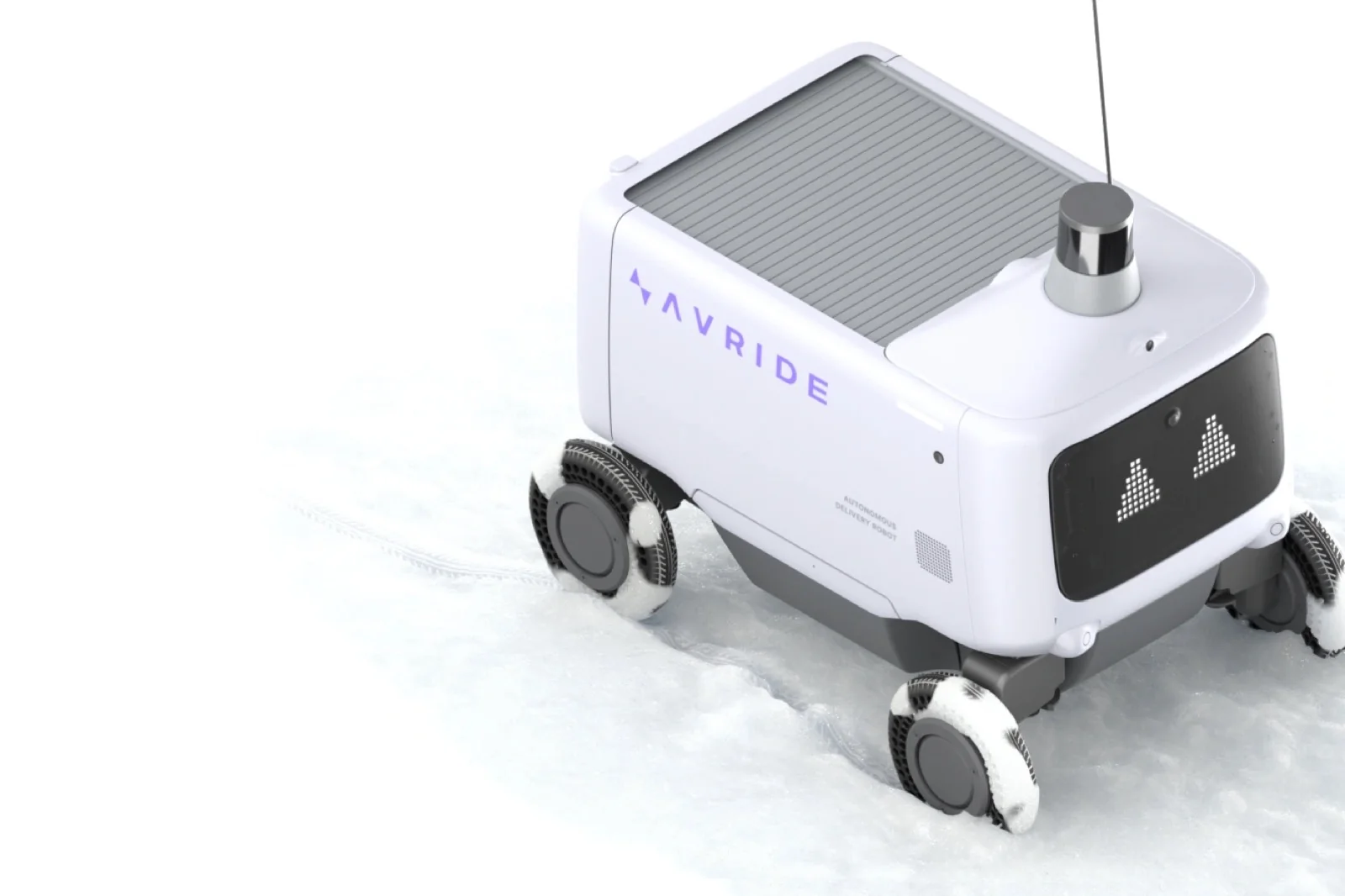
Avride and Sodexo Campus agreed on October 6 to bring sidewalk delivery robots to Sodexo's 425 US colleges, 4 months after Starship said it was leaving.
40 cleaning robot makers on one show floor in Las Vegas
ISSA Show North America opens a robotics area with 40+ autonomous floor cleaning companies and 2 live demo zones at Mandalay Bay, November 17 to 19.
FCC clears its first floor cleaning robot, built in California
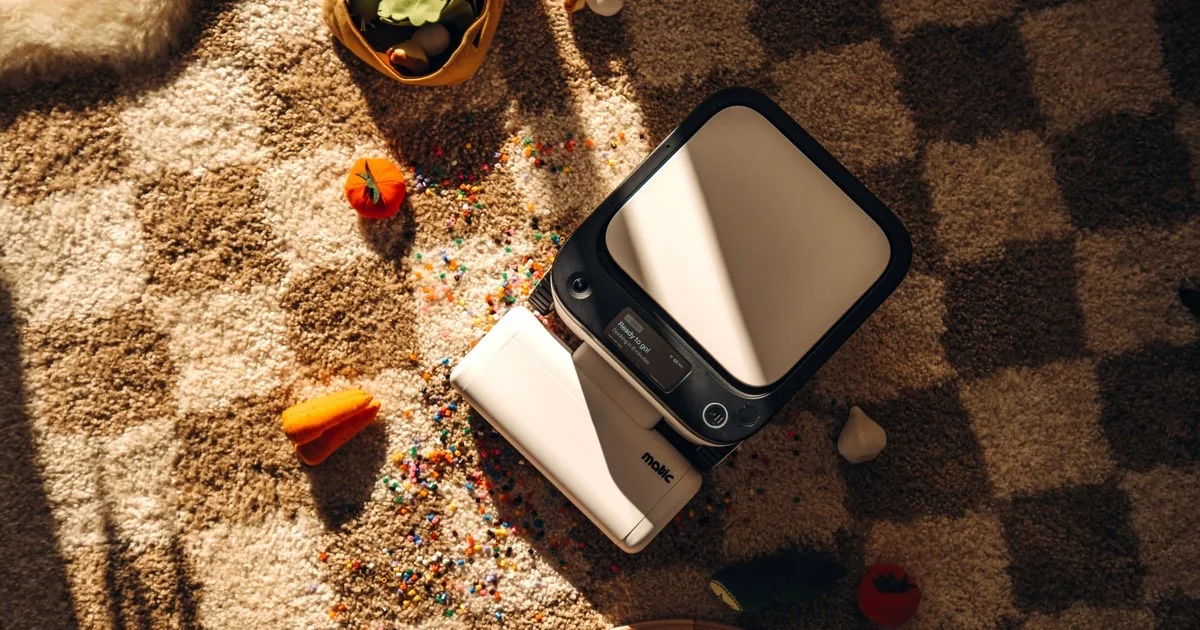
Matic's home vacuum and mop became the 3rd robot exempted from the FCC Covered List on October 2. It is assembled in the US and still needed the approval.