Sodexo signs a robot delivery deal covering 425 campuses
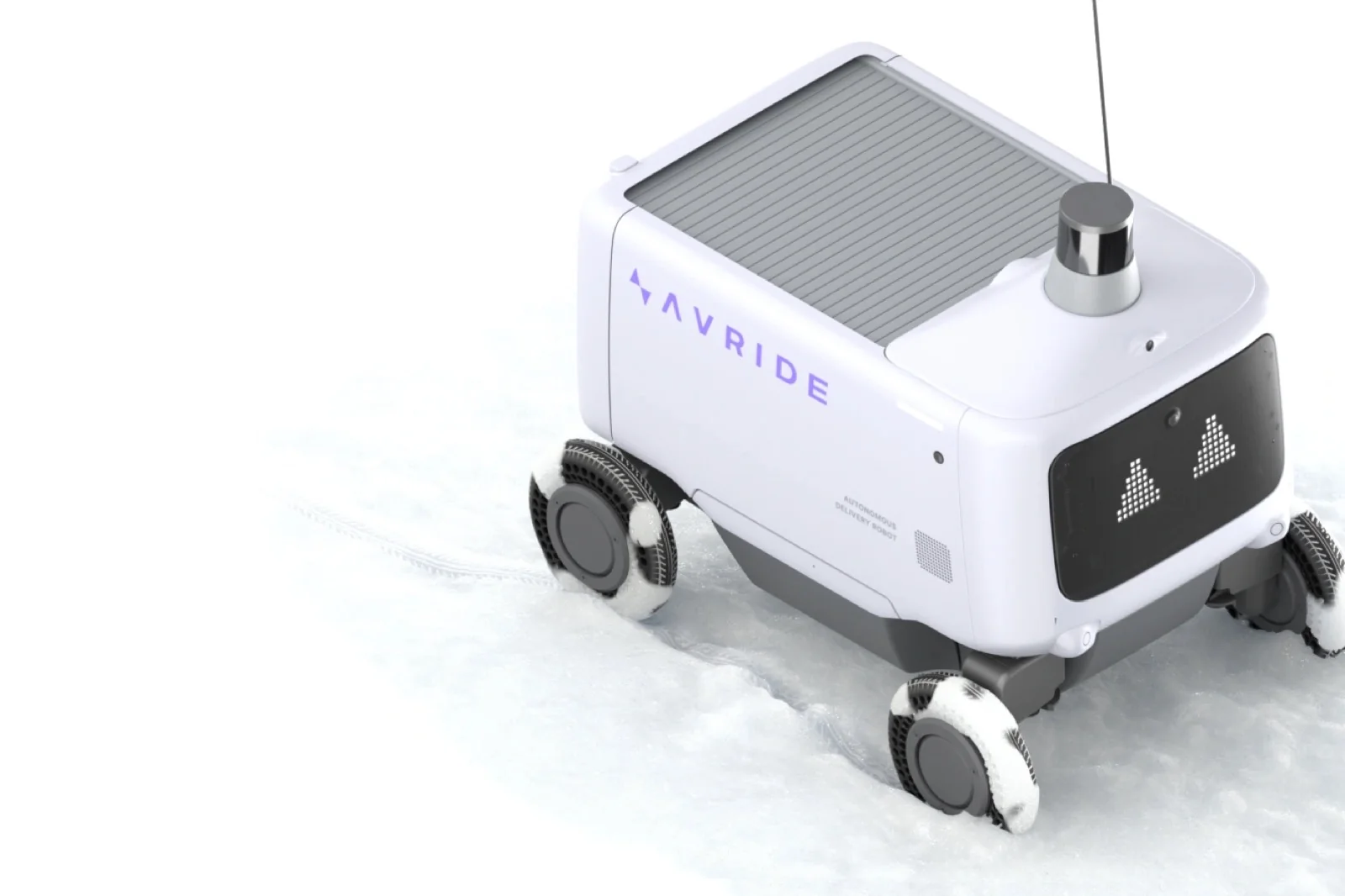
Avride and Sodexo Campus agreed on October 6 to bring sidewalk delivery robots to Sodexo's 425 US colleges, 4 months after Starship said it was leaving.
Sodexo Campus and Avride announced an agreement on October 6 to put Avride's sidewalk delivery robots on Sodexo's college dining accounts across the United States. Sodexo Campus works with about 425 higher education institutions. Neither company said how many of them will take robots, or which ones.
The timing is the story. On June 4 Starship Technologies, which had run campus robots since 2018, said it would wind down its US university operations and move more than 1,200 robots to grocery and hot food delivery in cities. This deal is one answer to who fills that gap.
The numbers
The release is short on terms. No price, no fleet size, no campus list, no dates. What it does give:
- About 425 institutions in the Sodexo Campus network
- More than 600,000 deliveries completed by Avride across campuses and cities
- 4 named campuses already running Avride robots: Ohio State, Indiana University Bloomington, the University of Arizona and Salisbury University
- A promised setup time of "weeks instead of months" for a campus that signs on
That last point is what the agreement is for. The release calls it a ready framework, so a school is not starting from a blank page. Roberta Frierson, Sodexo North America's vice president of digital for campus, put it this way:
Through this agreement with Avride, we are making it easier for institutions to adopt practical innovation that can improve the student experience and deliver measurable value for campus communities.
Avride's published specifications describe the machine. It tops out at 5 mph, carries up to 55 lb, and runs up to 31 miles or 12 hours on a swappable battery. It is 36 inches long and about 26 inches wide. Avride rates it IP66 for water, for operation from -22°F to 131°F, and for moderate rain and snow, with a suspension built for obstacles up to 6 inches.
Where Starship went
Starship's June statement said the campus fleet would be redeployed to grocery retailers in Europe and the United States, with transition plans for each school. Miami University told its students on July 30 that every Starship robot had been removed and that its dining office was looking at other delivery options.
Utah has been through the first half of this. The University of Utah launched Starship delivery in April 2022 with 8 robots on upper campus and 8 on lower campus, and a plan to grow to 50 that fall. Those robots had a top speed of 4 mph and delivered to an outdoor pin the customer dropped on a map. We could not find a current university statement on the program's status.
What this means for a campus in Utah
Start with who runs your dining. This agreement only reaches Sodexo accounts. Weber State's dining program is operated by Sodexo, so Ogden is the kind of campus this framework was written for. That is not the same as robots being on the way. Nobody has named a Utah school.
The state has already decided the legal question. Utah Code 41-6a-1119 allows personal delivery devices on sidewalks and crosswalks under these conditions:
- A top speed of 10 mph in a pedestrian area
- At least $100,000 in general liability insurance carried by the operator
- A marker on each robot with the operator's name, contact details and a unique ID number
- Front and rear lights visible from 500 feet if it runs between sunset and sunrise
The robot has the rights of a pedestrian and must yield to actual pedestrians. The operating company is responsible when one misbehaves, including for a technical malfunction. A city or other local authority may add reasonable rules of its own.
So the law is not the obstacle. The grounds are. A facilities director who gets a call from dining about robots should walk the routes first. A machine 26 inches wide shares the path with wheelchairs, strollers, scooters and a plow. It needs curb ramps at every crossing and a cleared path in January. A 6-inch obstacle rating is a spec sheet number, and a Wasatch Front storm followed by a refreeze is a different test. Ask the operator who clears a stuck robot at 7 a.m., and how fast.
Ask where the robots park and charge, because that is your square footage.
And notice where the trip ends. The release describes walkways and pathways next to residence halls and academic buildings. These robots stop outside. Getting something to the 4th floor of a hall, a lab or a hospital wing is an indoor job for a different kind of machine, one that calls the elevator itself. That is the category our FlashBot is in, at $20,000 cash with RoboCare at $200 a month. It does not drive on sidewalks, and it is not part of this deal.
What to watch
Watch for the first named campus and the first fleet size, since those will show whether "weeks instead of months" holds up. Watch which other dining contractors sign similar frameworks. And if you run a Utah campus, watch the first winter at Ohio State and Indiana. Those schools get real snow, and how the robots handle it will tell you more than any spec sheet.
Robots in this story, sold and serviced from Provo: FlashBot multi-floor delivery
Sources
- Avride and Sodexo Campus, October 6 announcement (Business Wire)
- Avride, delivery robot specifications
- Starship Technologies, June 4 announcement
- Miami University, Starship robots depart campus
- University of Utah, 2022 robot delivery launch
- Utah Code 41-6a-1119, personal delivery device
- Weber State University dining, operated by Sodexo
Want to see one of these working?
We are a Utah robotics implementation company. Our own technicians install and service every machine we sell.
Book a walkthroughMore robotics news
40 cleaning robot makers on one show floor in Las Vegas
ISSA Show North America opens a robotics area with 40+ autonomous floor cleaning companies and 2 live demo zones at Mandalay Bay, November 17 to 19.
FCC clears its first floor cleaning robot, built in California
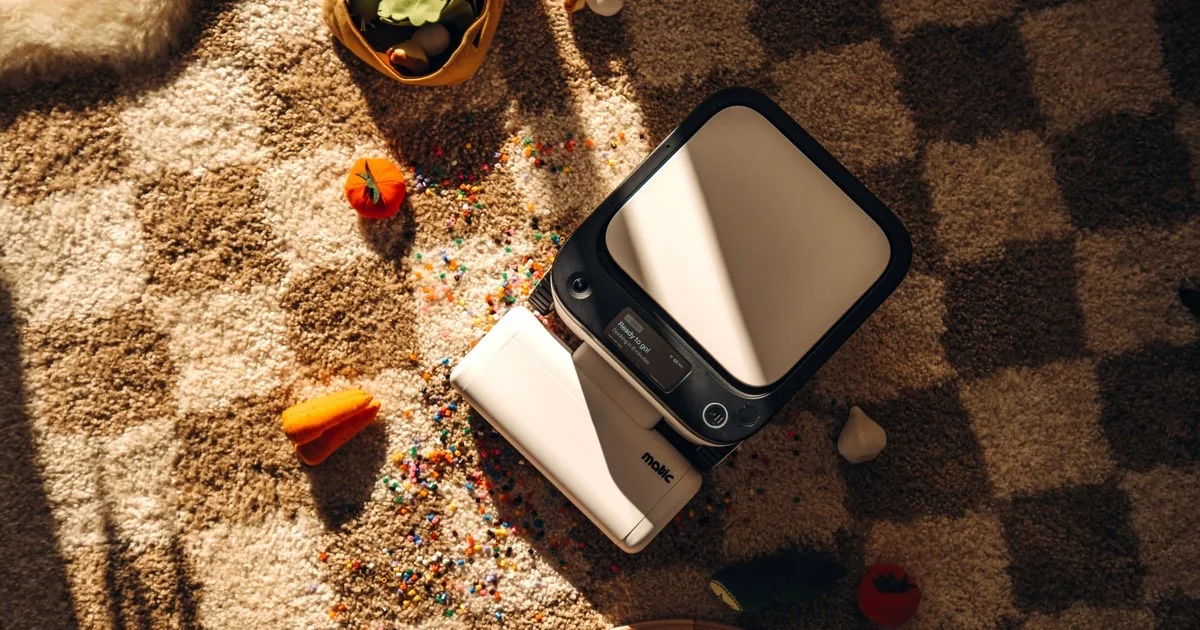
Matic's home vacuum and mop became the 3rd robot exempted from the FCC Covered List on October 2. It is assembled in the US and still needed the approval.
200 airport cleaning robots, and what they really cover
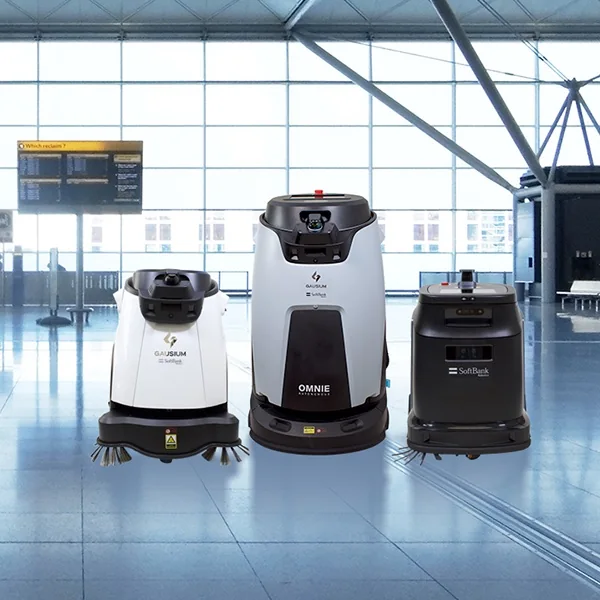
Flagship runs 200+ floor robots at 25 US airports. Its published totals work out to about 5,000 sq ft per operating hour.