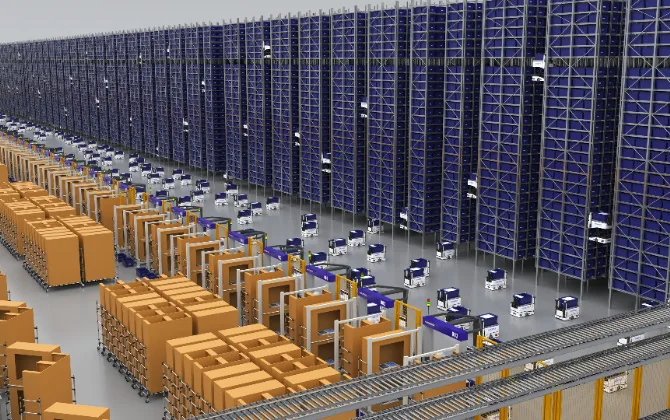
1,500 climbing robots in one fulfillment center
Hai Robotics will install more than 1,500 rack-climbing robots in a 30,000 sq m European site rated at over 24,000 totes an hour.
On 8 September, Hai Robotics said it had been selected to build what it calls the world's largest deployment of rack-climbing warehouse robots: more than 1,500 HaiPick Climb robots in a new e-commerce fulfillment center for a European fashion retailer the company does not name.
The numbers behind it are the story. The building is 30,000 sq m, about 323,000 sq ft. It holds 1.2 million double-deep storage locations. The system is rated at more than 24,000 totes an hour. Peter Guan, general manager for Hai Robotics EMEA, framed it as a shift toward scalable robotic automation inside large fulfillment operations, which is corporate for "this is no longer a pilot."
The robot itself is the reason the density works. A HaiClimber climbs the racking rather than riding a crane or a fixed mast, so the storage structure is ordinary shelving and the intelligence sits in the machine. That is what lets a site be sized by how many robots you buy instead of by how much steel and conveyor you poured. Hai Robotics said on 28 August that more than 10,000 HaiClimber units are now contracted across customer projects in 12 countries, naming ANTA, Panasonic, Arvato, ITOCHU, METTLER TOLEDO and True Protein. The product only went global in 2025.
The part that is easy to misread
A rate like 24,000 totes an hour is a system number, not a robot number. Divide it out and each robot is doing something like 16 totes an hour, which is unremarkable on its own. The result comes from running 1,500 unremarkable machines at the same time without them getting in each other's way. The hard engineering in goods-to-person is traffic, not lifting.
That matters when you read any automation quote. Throughput claims describe a whole system at a designed rate, in a building laid out for it, with the software tuned. They are not a promise about what one machine does on your floor as it is today.
What this means for a building in Utah
Almost nobody along the Wasatch Front is buying 1,500 robots. The useful read is what the deployment says about the direction of cost.
Goods-to-person automation used to mean a steel monument. You committed to a building shape for 20 years, and if your order profile changed you ate it. A climbing robot on standard racking changes the commitment: the racking is racking, and the capacity is a fleet size you can add to. That is why these systems keep showing up in apparel and e-commerce, where volume swings hard by season and nobody can promise what 2031 looks like.
For a Utah distribution operation, the practical version of this is not a 1,500-robot install. It is the same trade at small scale. You start with the movement that is already costing you people and forklift time, usually hauling loaded carts, pallets and totes between pick faces, staging and dock, and you automate that piece without rebuilding the building. Our T300 and T600 industrial robots exist for exactly that job, they run on the floor you already have, and the published price for a T300 is $20,000.
The question to ask a vendor, ours included, is what happens in year 3 when your volume is up 40% or your SKU mix flips. If the answer is "add machines," you have a fleet. If the answer is "re-engineer the installation," you have a building-shaped commitment, and it should be priced like one.
What to watch
Hai Robotics has not named the retailer or given a go-live date, so the next real data point is when the site starts shipping and whether the 24,000-tote rate holds in production rather than on the drawing. Watch too whether the rack-climbing approach keeps taking share from fixed-aisle systems in North America. If it does, the 10,000-robot figure from August is going to look small by next summer.
Robots in this story, sold and serviced from Provo: T300 and T600 industrial delivery
Sources
Want to see one of these working?
We are a Utah robotics implementation company. Our own technicians install and service every machine we sell.
Book a walkthroughMore robotics news
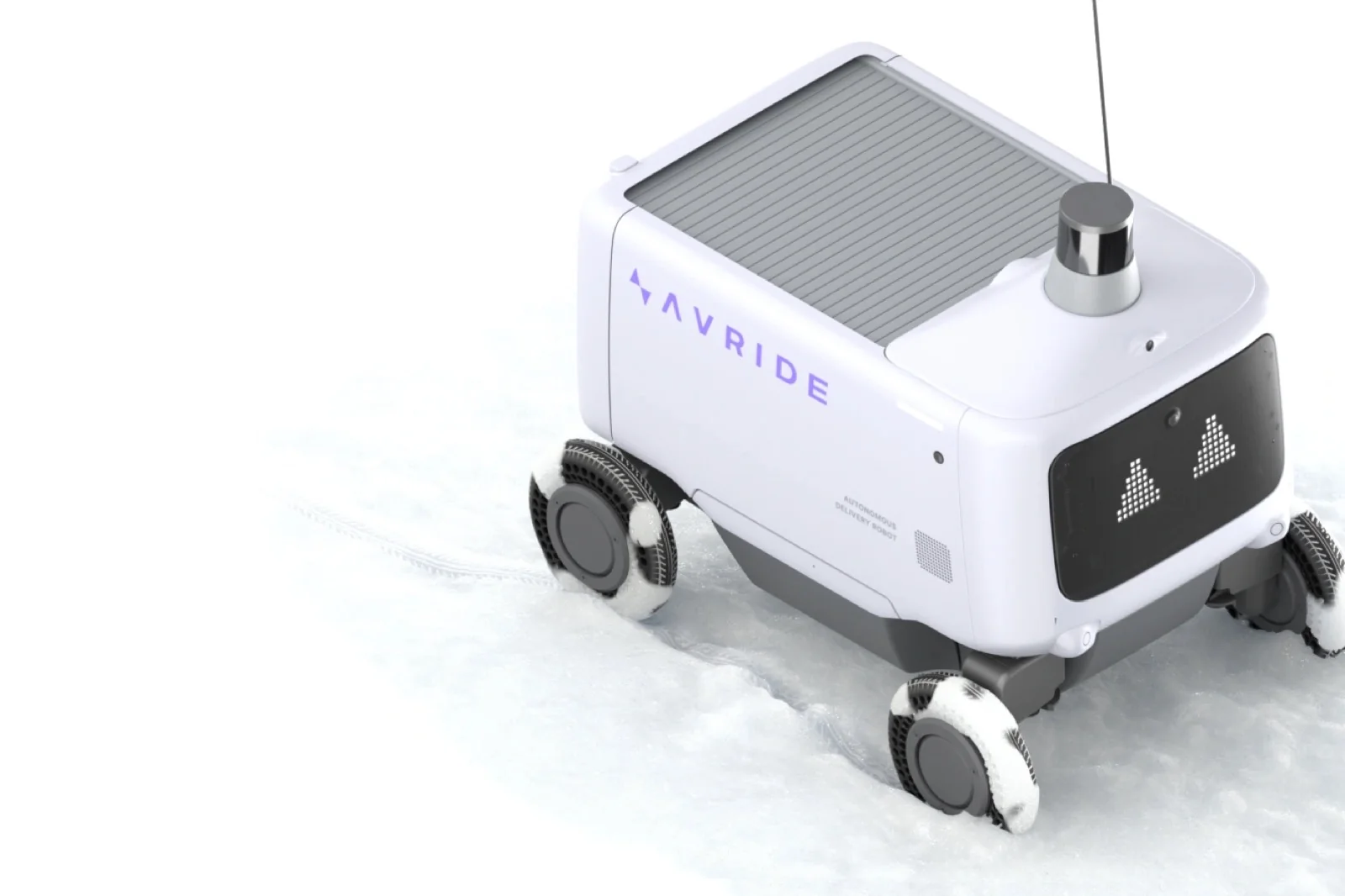
Sodexo signs a robot delivery deal covering 425 campuses
Avride and Sodexo Campus agreed on October 6 to bring sidewalk delivery robots to Sodexo's 425 US colleges, 4 months after Starship said it was leaving.
40 cleaning robot makers on one show floor in Las Vegas
ISSA Show North America opens a robotics area with 40+ autonomous floor cleaning companies and 2 live demo zones at Mandalay Bay, November 17 to 19.
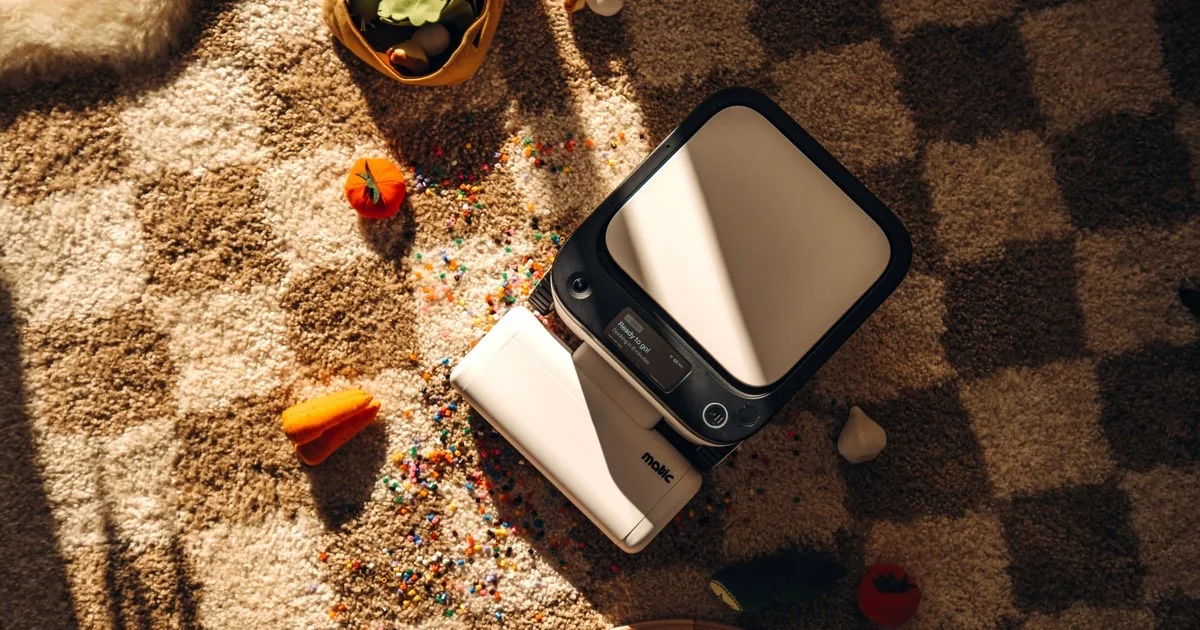
FCC clears its first floor cleaning robot, built in California
Matic's home vacuum and mop became the 3rd robot exempted from the FCC Covered List on October 2. It is assembled in the US and still needed the approval.