Knightscope's $27 million, and how much of it is signed
Knightscope reported $27 million in security robot renewals and awards across 109 contracts. About $4 million of it is signed contract value.
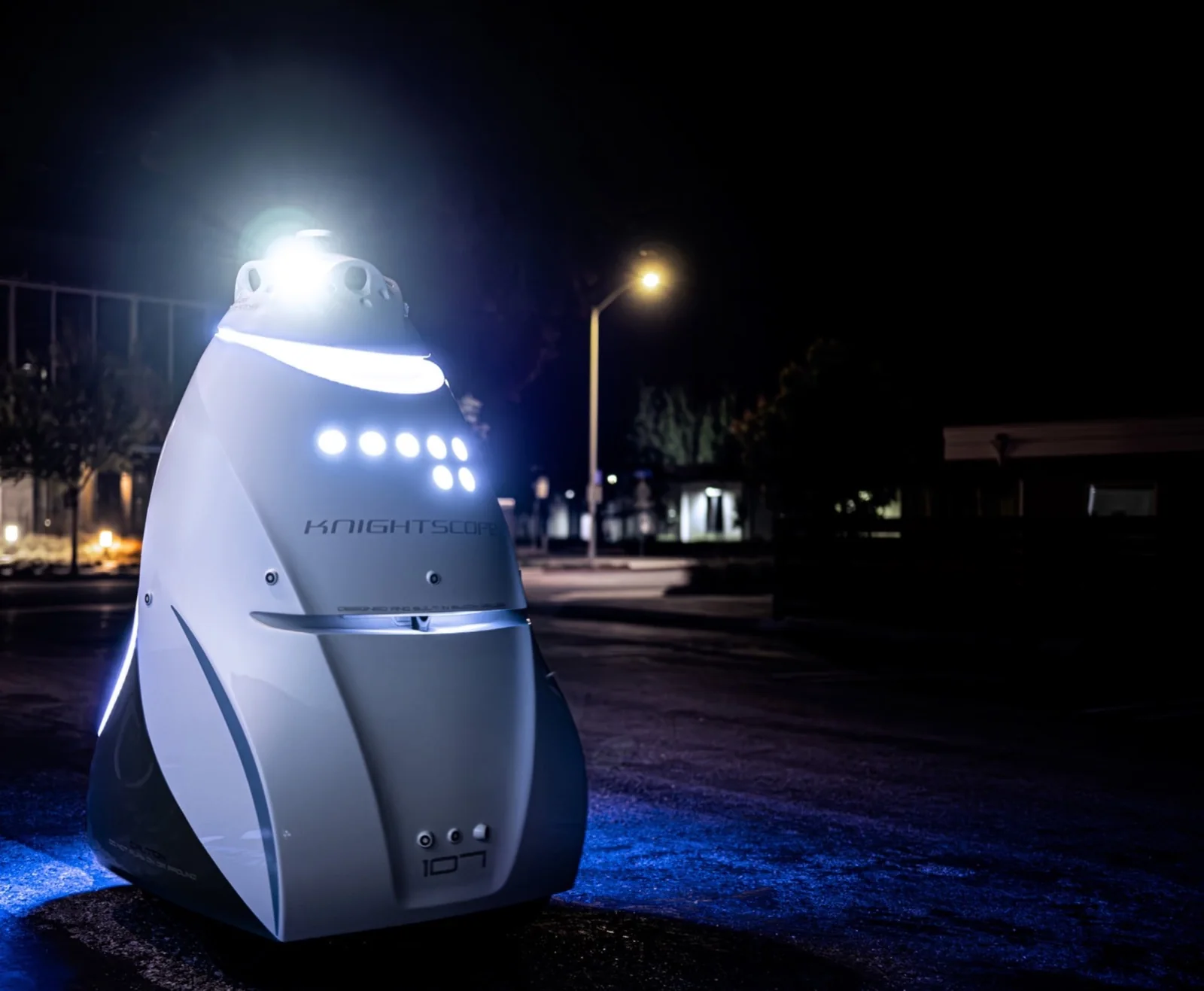
On 22 September, Knightscope reported about $27 million in estimated renewals, bookings and client awards for the 4 months from 20 May to 18 September. The Sunnyvale company, which runs the egg-shaped patrol robots you may have seen in a parking lot or a transit station, says the total covers 109 contracts and awards across 7 vertical markets.
It is the most useful release a security robot company has put out in a while, and not because of the headline number. It is useful because Knightscope explained, in plain terms, what the number is made of. Anyone who signs service contracts for a building should read that part.
The numbers
Knightscope says renewals from existing clients make up about $19.6 million, or 72% of the total. New business is about $7.5 million, or 28%.
The biggest single item is a 3-year master services agreement with a multinational industrial client. Knightscope puts its value at about $17 million over the initial term, based on current service levels. The release is direct about what that means: the client orders services periodically, and the agreement "does not obligate the client to purchase a minimum volume of services."
The biggest new engagement is a written award from a national retailer worth about $5.8 million. As of 18 September, the definitive agreement or ordering documents had not been issued.
Put those 2 items next to the total and the picture changes. About $17 million is an estimate of future orders with no minimum. About $5.8 million is an award not yet papered. That leaves roughly $4 million of the $27 million as contract value actually signed in the window. Knightscope itself says the metric "is not a measure of revenue, backlog, remaining performance obligations, or any other financial measure" under GAAP, and that the figures are preliminary and unaudited.
The same arithmetic applies to the renewal rate. Take the $17 million industrial agreement out, and the other renewals come to about $2.6 million.
By market, the release breaks it down like this:
- Industrial, energy and security services: about $18.7 million across 43 contracts
- Retail and consumer: about $6.5 million across 11
- Higher education: about $1.0 million across 14
- Critical infrastructure: about $0.5 million across 34
Healthcare, technology and federal healthcare make up the balance. Named client types include a federal law enforcement agency, public transit systems, universities, community colleges, hospitals and municipalities.
What this means for a building in Utah
Most of the robot contracts a Utah facilities manager will see in the next few years will look like this one: a monthly service, a multi-year term, and a number on the front page that assumes you keep ordering at today's level. That is not a trick. It is how managed services are sold, and Knightscope deserves credit for spelling out its own terms in public.
The practical read is on your side of the table. A master services agreement with no minimum volume cuts both ways. The vendor can count the estimated value, but you can also scale down if the robot is not earning its keep. Before you sign any robot service, whether it patrols a lot, scrubs a hallway or carries trays, it is worth knowing which kind of contract you are signing: a fixed term with a fixed monthly bill, or a framework you order under as you go.
The higher education line is the one to watch from here. 14 contracts worth about $1.0 million total is a lot of contracts for the money, which points to small, specific deployments rather than campus-wide fleets. That is a sensible way for a campus to buy any robot: one machine on one problem, measured for a semester, then a decision. Utah has a lot of campuses where that pattern fits, from the big universities to the technical colleges.
The other signal is the word Knightscope keeps using: renew. A demo proves a robot can do the job once. A renewal proves somebody's operations team decided, after living with it, to keep paying. When a vendor of any robot tells you their numbers, ask for the renewals separately, and ask how much of the renewal figure comes from a single client.
What to watch next
Knightscope says revenue from these agreements is recognized only as services are ordered and delivered, sometimes over several years. The real test comes in its quarterly filings with the SEC, where ordered services turn into reported revenue. The $5.8 million retail award becoming a signed agreement is the next concrete milestone. The release also notes that the company depends on a limited number of significant clients, which the $17 million renewal makes plain.
For anyone running a building, the takeaway is not about security robots in particular. Robots are moving from pilots to renewals, and the contract terms matter as much as the machine.
Sources
Want to see one of these working?
We are a Utah robotics implementation company. Our own technicians install and service every machine we sell.
Book a walkthroughMore robotics news
Sodexo signs a robot delivery deal covering 425 campuses
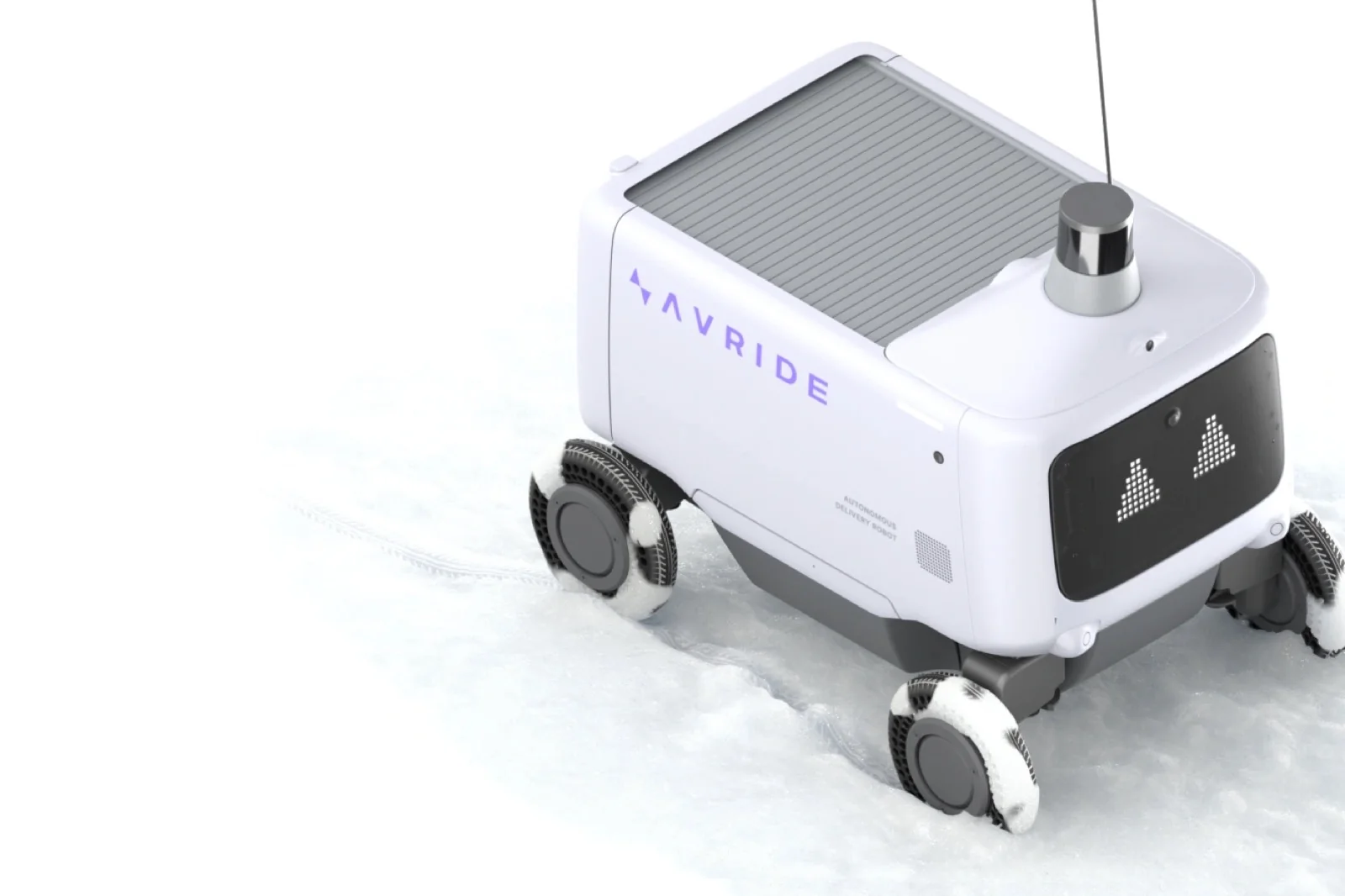
Avride and Sodexo Campus agreed on October 6 to bring sidewalk delivery robots to Sodexo's 425 US colleges, 4 months after Starship said it was leaving.
40 cleaning robot makers on one show floor in Las Vegas
ISSA Show North America opens a robotics area with 40+ autonomous floor cleaning companies and 2 live demo zones at Mandalay Bay, November 17 to 19.
FCC clears its first floor cleaning robot, built in California
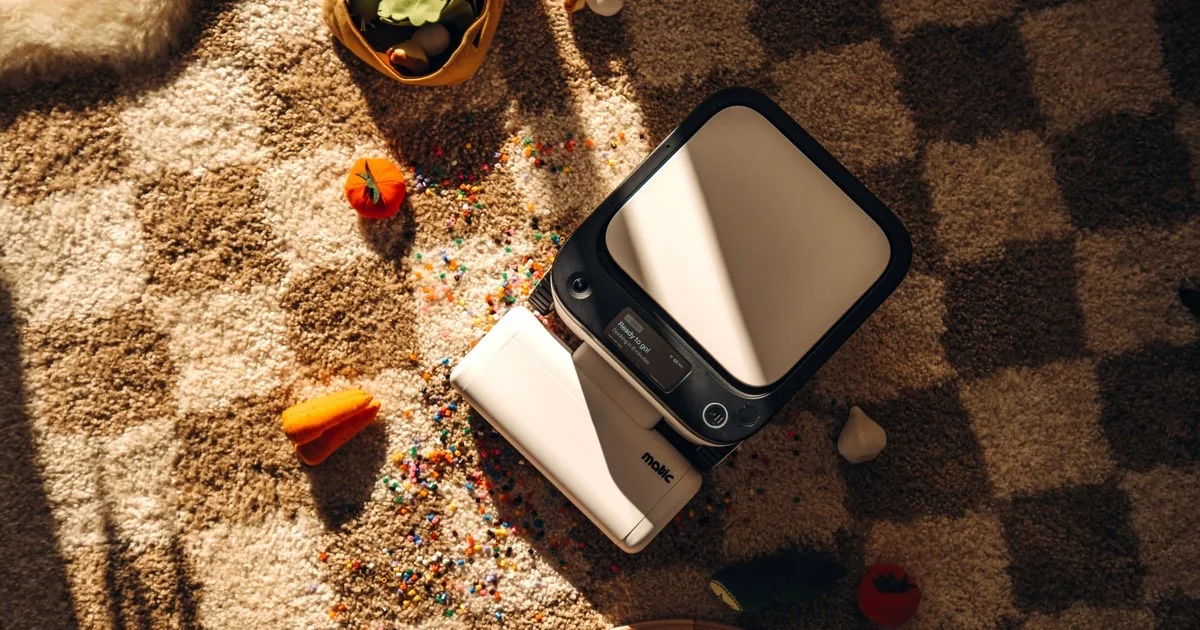
Matic's home vacuum and mop became the 3rd robot exempted from the FCC Covered List on October 2. It is assembled in the US and still needed the approval.