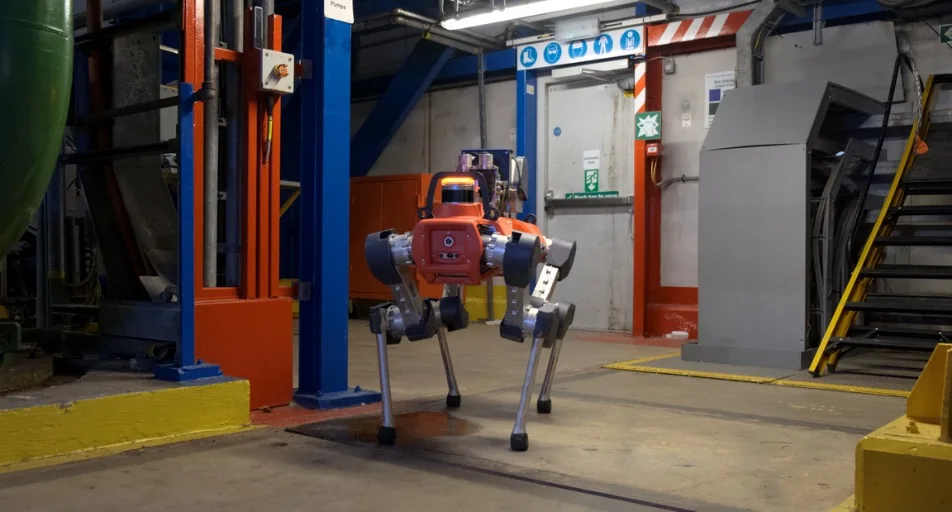
A robot badged through locked doors for weeks without help
dormakaba, ANYbotics and LEGIC gave an inspection robot its own access credential and ran it through controlled doors at a power plant for several weeks.
A four-legged inspection robot spent several weeks walking through locked, access-controlled doors at a power plant in Ireland, asking the building's own access system for permission the same way an employee taps a badge. Door maker dormakaba, robot maker ANYbotics and credential company LEGIC presented the pilot on September 17 at a LEGIC conference in Zurich, and ANYbotics followed with its own release on September 24.
The robot is not the news here. The door is. Anyone who has put a robot into a real building knows the machine is rarely the thing that stops it.
What they actually built
There are two pieces, and they are at different stages.
The first is for ordinary doors that are not locked. According to the ANYbotics release, a radar sensor spots the robot coming and triggers a retrofitted dormakaba ED 100 or ED 250 swing door operator. The door opens, the robot walks through, the door closes behind it. That part is commercially available now.
The second is for doors that are locked. The robot carries a LEGIC security module that acts as its own electronic access pass. At a controlled door it requests entry from dormakaba's exos access management system, which grants or refuses it against the same kind of permission rules a facility already sets for people, and logs every request. ANYbotics says that part becomes an add-on for its ANYmal fleet later in 2026.
The test site was GE Vernova's Whitegate power station in County Cork. dormakaba says the robot ran for "several weeks, repeatedly requesting access, passing through controlled doors, and continuing its inspection routes without manual intervention." No count of door passes, no failure rate and no price were published, so that is as far as the numbers go.
The partners also say they are looking at elevators, gates and turnstiles next.
Why a door is the hard part
A robot that cleans or delivers inside a building works in a map. The map is only as big as the doors it can get through on its own. A floor scrubber that finishes the lobby and then sits in front of a closed fire door until the morning crew shows up has cleaned the lobby, not the building.
Most sites solve this one of three ways today. They prop doors open, which the fire marshal will not love. They split the robot's route into zones and have a person move it between them, which eats into the labor the robot was bought to save. Or they wire the robot into the building's doors and elevators over the network, which works well but has to be set up door by door with whoever owns the controls.
What dormakaba is proposing is a fourth way that treats the robot as a badge holder. The facility's security team gives it a credential, decides which doors it can use and at what hours, and gets an audit log of where it went. For a building with a real security program, that is a much easier conversation than "can we leave this door unlocked at night."
What this means for a building in Utah
For most buildings along the Wasatch Front, nothing changes this year. This pilot ran in a power plant, on a dormakaba access system, with one specific robot. If your doors run on a different access platform, none of this plugs in yet.
What it does change is the question you should ask before you buy any robot that has to move between spaces. Before the price, walk the route and count the doors. Which ones are on a closer, which ones have an automatic operator, which ones are badge controlled, and who owns the access system. A route with no closed doors is a route a robot can run tonight. A route with 4 badge doors is a route that needs either a person or an integration.
It is also worth knowing which robots already do this. The Pudu FlashBot is the one we sell that is wired into the building: it calls elevators and opens automatic doors over IoT, and it is $20,000 on our published price list. The elevator and door integration depends on the make and the building's controller, and it gets confirmed at the site survey, not assumed. Our floor cleaners are a simpler case: they work the spaces they can reach, so the door count on the cleaning route matters.
If you run security for a campus, a hospital or a plant, the badge model is the part to watch. It means a robot can be given, and denied, the same access a contractor gets, with a log to prove it.
What to watch
Whether dormakaba publishes a door-pass count or a failure rate from Whitegate, and whether the locked-door add-on actually ships by the end of 2026 as ANYbotics says. The bigger signal is elevators. The partners named them as the next step. If a robot can badge into an elevator on a standard access system, the multi-floor building stops being a custom integration job, and that matters far more to offices, hotels and hospitals than any power plant.
Robots in this story, sold and serviced from Provo: FlashBot multi-floor delivery
Sources
Want to see one of these working?
We are a Utah robotics implementation company. Our own technicians install and service every machine we sell.
Book a walkthroughMore robotics news
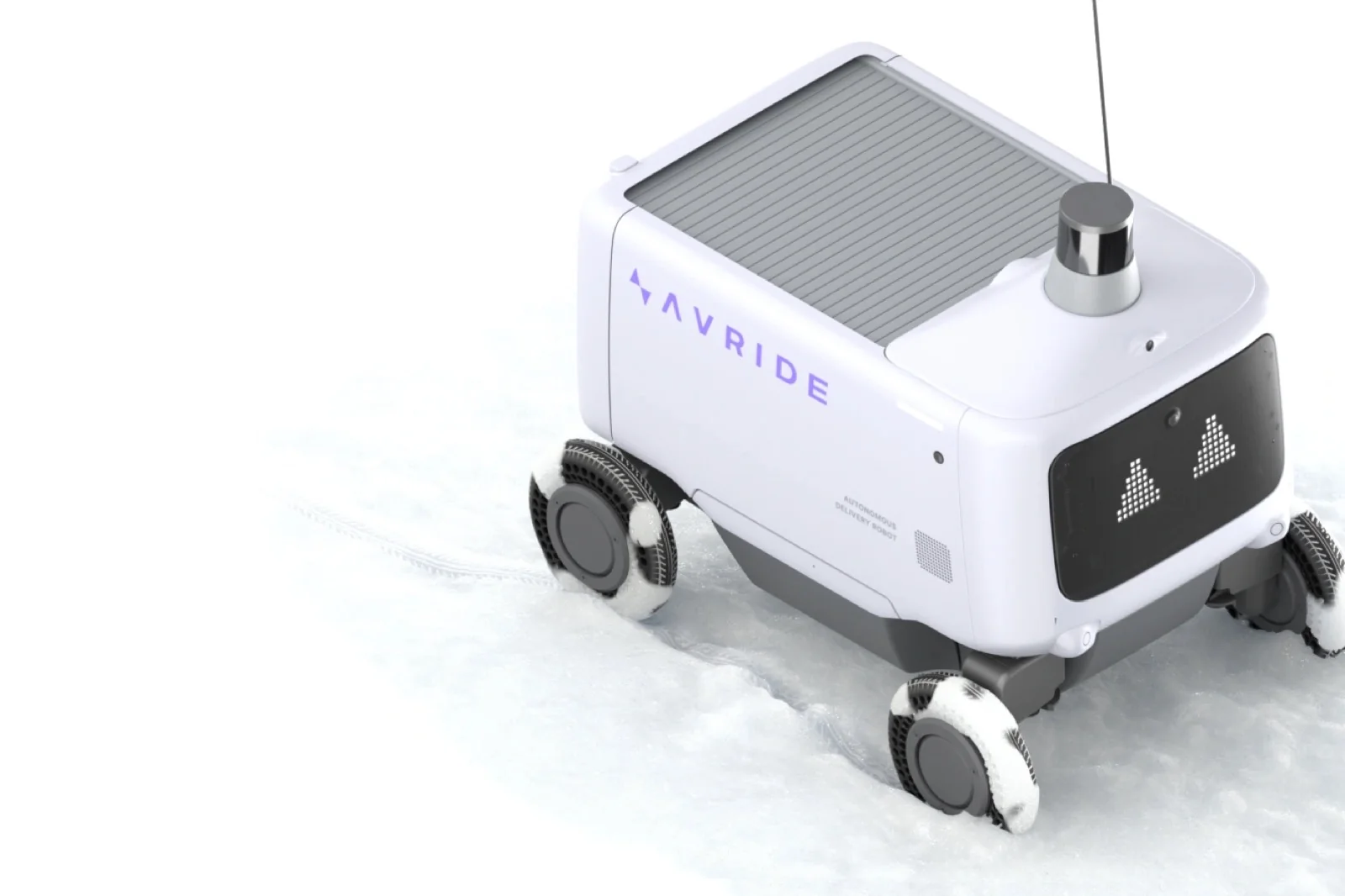
Sodexo signs a robot delivery deal covering 425 campuses
Avride and Sodexo Campus agreed on October 6 to bring sidewalk delivery robots to Sodexo's 425 US colleges, 4 months after Starship said it was leaving.
40 cleaning robot makers on one show floor in Las Vegas
ISSA Show North America opens a robotics area with 40+ autonomous floor cleaning companies and 2 live demo zones at Mandalay Bay, November 17 to 19.
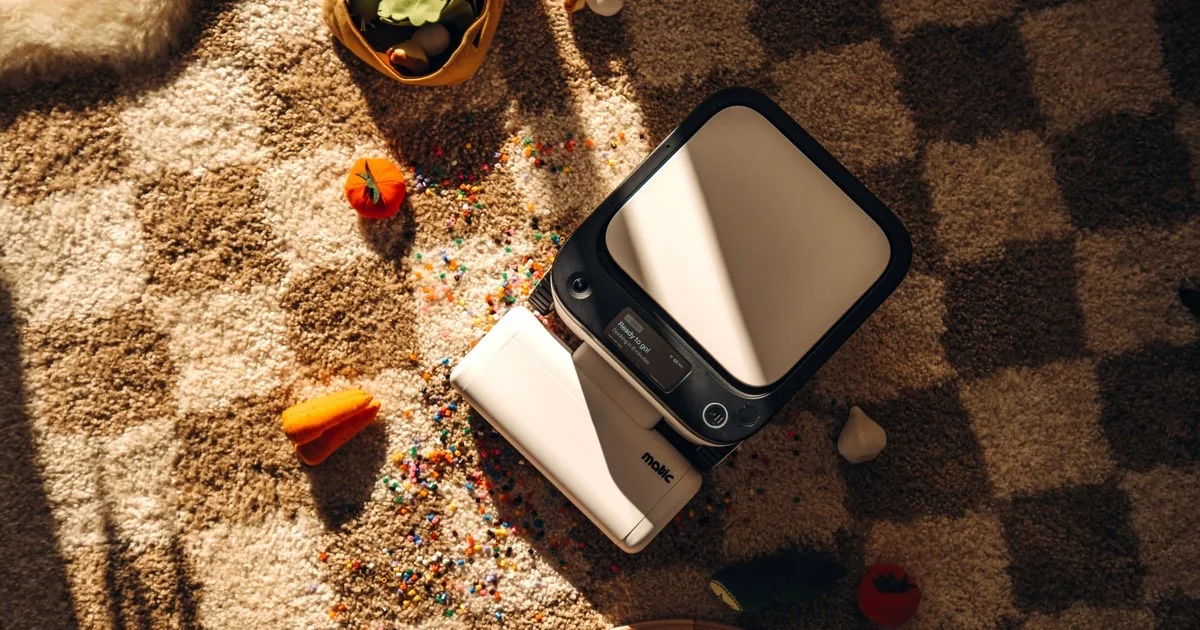
FCC clears its first floor cleaning robot, built in California
Matic's home vacuum and mop became the 3rd robot exempted from the FCC Covered List on October 2. It is assembled in the US and still needed the approval.