A new study says cleaning robots cost more than janitors
Anthropic's robot study finds robots cheaper than people for 0.3% of US job tasks, and robot cleaners several times pricier than janitors.
On September 30, the AI company Anthropic published What work can robots do?, a study that rates how much of every US job today's robots can perform and what it would cost them to do it. The headline is a cold shower for anyone selling automation: robots can do most physical tasks, but they are cheaper than a person for just 0.3% of them.
Janitors and cleaners get a specific mention, and it is not flattering to our side of the business. We sell cleaning robots, and we think the study is mostly right. It is also measuring something different from what a building actually buys.
The numbers
The researchers, Russell Legate-Yang and Maxim Massenkoff, worked from O*NET, the federal database of about 900 occupations and 19,000 job tasks. They used Claude, Anthropic's AI model, to rate each task and estimate what the robots would cost, including installation, maintenance, energy and supervision. The authors call the cost figures approximate; the method is in the full paper.
What they found:
- Robots can perform 74% of physical tasks in the US, adding up to 34% of all working hours, mostly in controlled settings
- Robots are cost-competitive for 0.3% of job tasks
- Robot prices have fallen roughly 3% a year since the 1990s, and at that pace it takes about 40 years before robots are cheaper than people for 10% of work
- Since 1977, robots have become able to do about 2% a year of the physical work they previously could not
The one large occupation where robots already pencil out is packers and packagers. A line of packing, handling, labeling and sealing machines costs over $2 million to install and does the yearly work of around 14 people. Spread out, the study puts that at about $45,000 a year per worker replaced. A packer costs around $49,000 and spends 97% of the day on tasks robots can do, so the machines come out about $2,500 a year cheaper.
What it says about cleaning
This is the passage that matters for anyone who runs a building:
Dishwashers, along with janitors and cleaners, are paid $25,000 to $30,000 less than welders. But their robot analogs are still several times more expensive. Cleaning is hard to standardize and streamline, and robot cleaners are often slower than humans and limited to specific tasks.
A footnote adds that cleaning robots may work longer hours but can be up to 10 times slower than a person, citing separate research.
None of that surprises anyone who runs one. It does not clean a restroom. It does not empty trash, wipe a door handle or notice the coffee spill under a desk. A custodian does dozens of small things in a shift, and a floor robot does 1 or 2 of them. Price a robot against the whole job and it loses, as it should.
The footnote buyers should read
The study draws the line that matters in a note about archivists. Robots can do 1 archivist task, copying records into other formats, for about $5,500 a year. Archivists spend about 8% of their time on it, which is worth about $6,800 of their pay. The robot is cheaper for that task, and the authors say plainly that automating one task "is unlikely to displace archivists."
That is the honest way to look at a floor robot. It is a one-task machine. The question is not whether it costs less than a janitor. It is whether it costs less than the hours your crew spends on that one task, and what else those hours could do.
What this means for a building in Utah
For most buildings here, a robot does not cut a position, and nobody should pitch it that way to a school board or a dealership owner. What it can do is take the long, repeatable floor routes off the night list: the main corridors of a high school, the showroom and service drive at a car dealership, the open floor of a distribution center. If you are already a person short on nights, that is the work that gets skipped first.
The speed point is fair, and it is why the floor matters more than the brochure. A scrubber on a wide, empty hallway at 2 a.m. is in its element. The same machine nosing around desk legs is not. Before you buy any robot from anyone, see it run on your own floor and time it.
The study also counts supervision in the robot's cost, and it is right to. Somebody still fills and drains tanks, swaps pads and clears the route. That is a real line in the budget.
On price, ours are published. A CC1 Pro scrubber is $24,000 cash with RoboCare service at $240 a month, and the MT1 sweeper is $19,000. Weigh that against the hours spent walking a scrubber up and down the same corridors each week, not against a salary.
What to watch
The 3% a year figure. Even in the study's fast scenario, with costs falling up to 4 times faster, robots are not cost-competitive for half of physical work until 2050. For cleaning, watch speed more than sticker price. A robot that closes the gap with a person on detail work changes the math far more than a cheaper one that is still slow.
Robots in this story, sold and serviced from Provo: CC1 Pro floor scrubber · MT1 sweeper
Want to see one of these working?
We are a Utah robotics implementation company. Our own technicians install and service every machine we sell.
Book a walkthroughMore robotics news
Sodexo signs a robot delivery deal covering 425 campuses
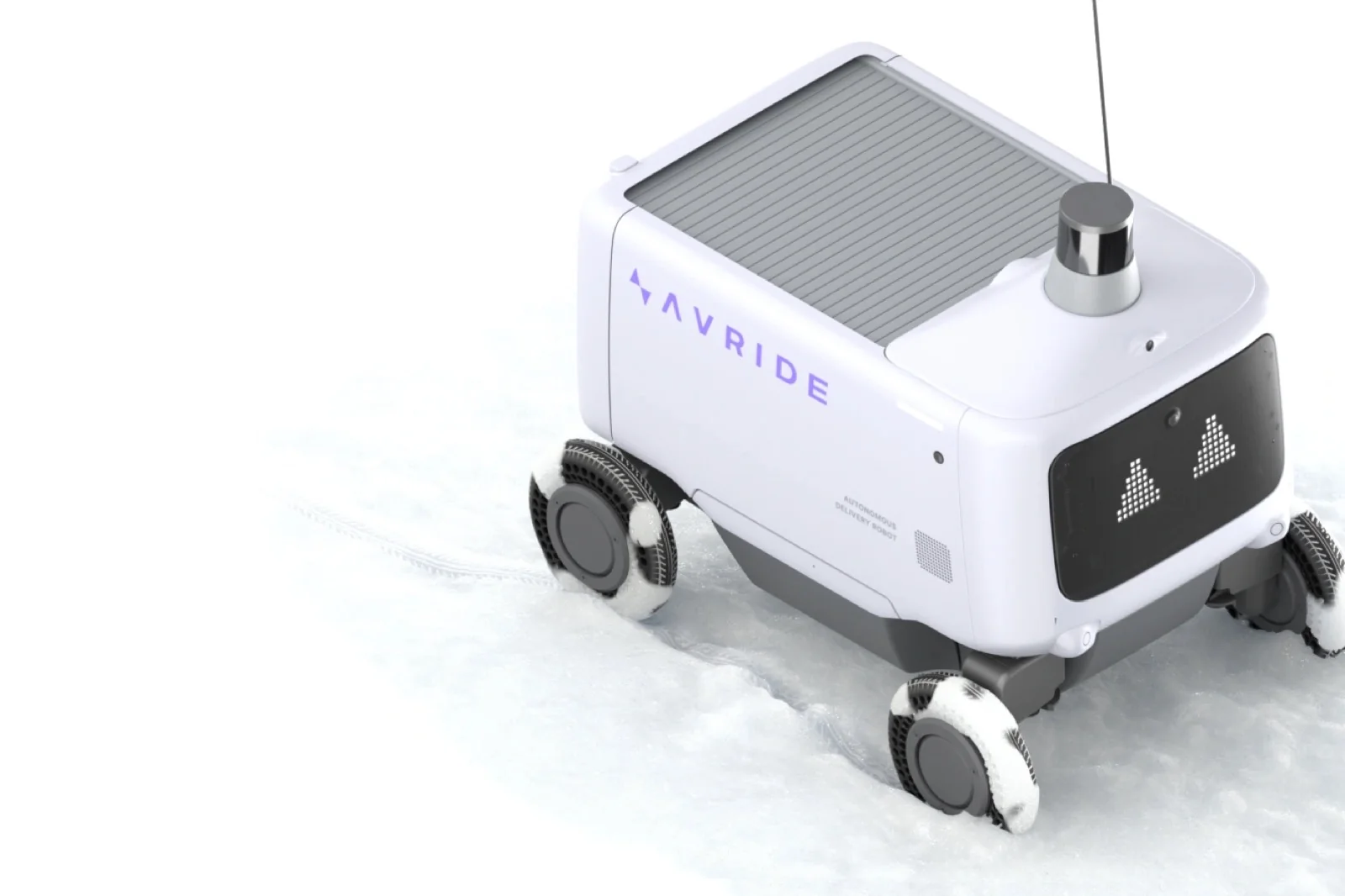
Avride and Sodexo Campus agreed on October 6 to bring sidewalk delivery robots to Sodexo's 425 US colleges, 4 months after Starship said it was leaving.
40 cleaning robot makers on one show floor in Las Vegas
ISSA Show North America opens a robotics area with 40+ autonomous floor cleaning companies and 2 live demo zones at Mandalay Bay, November 17 to 19.
FCC clears its first floor cleaning robot, built in California
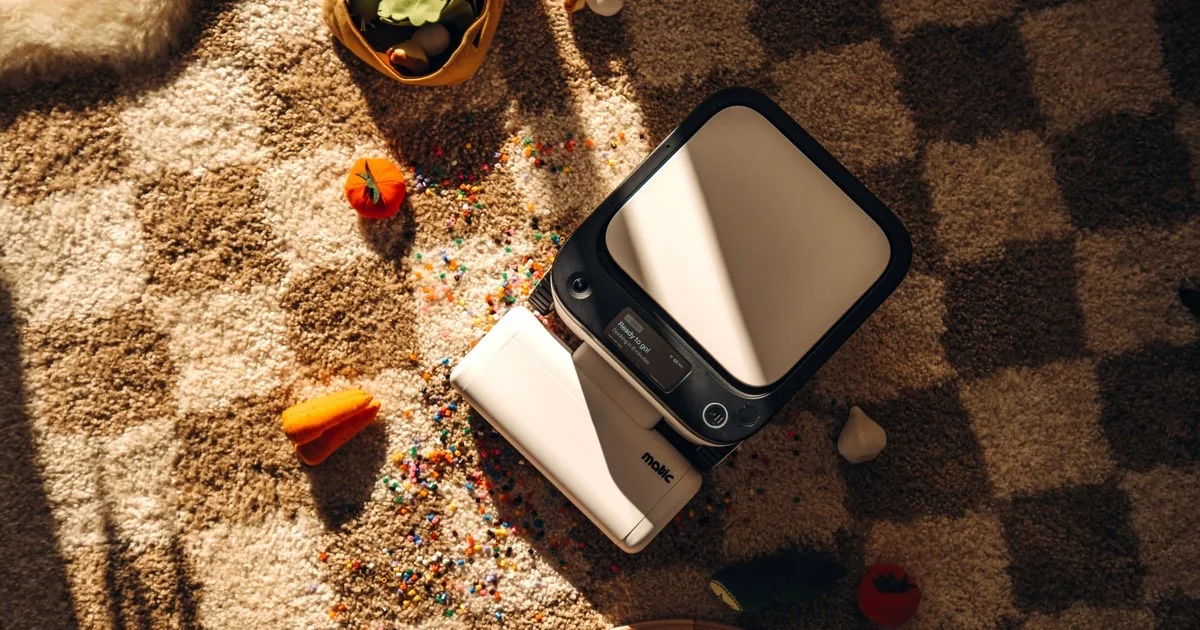
Matic's home vacuum and mop became the 3rd robot exempted from the FCC Covered List on October 2. It is assembled in the US and still needed the approval.